
You shouldn't need a PhD
to get nutrition answers you trust.
We read the research and vet every source, then turn it into clear, actionable answers — on longevity, everyday risks, what's actually worth eating, and what to avoid.
Tens of thousands of curated studies, with new research added every week — the same question earns a fuller answer over time. Free, forever.
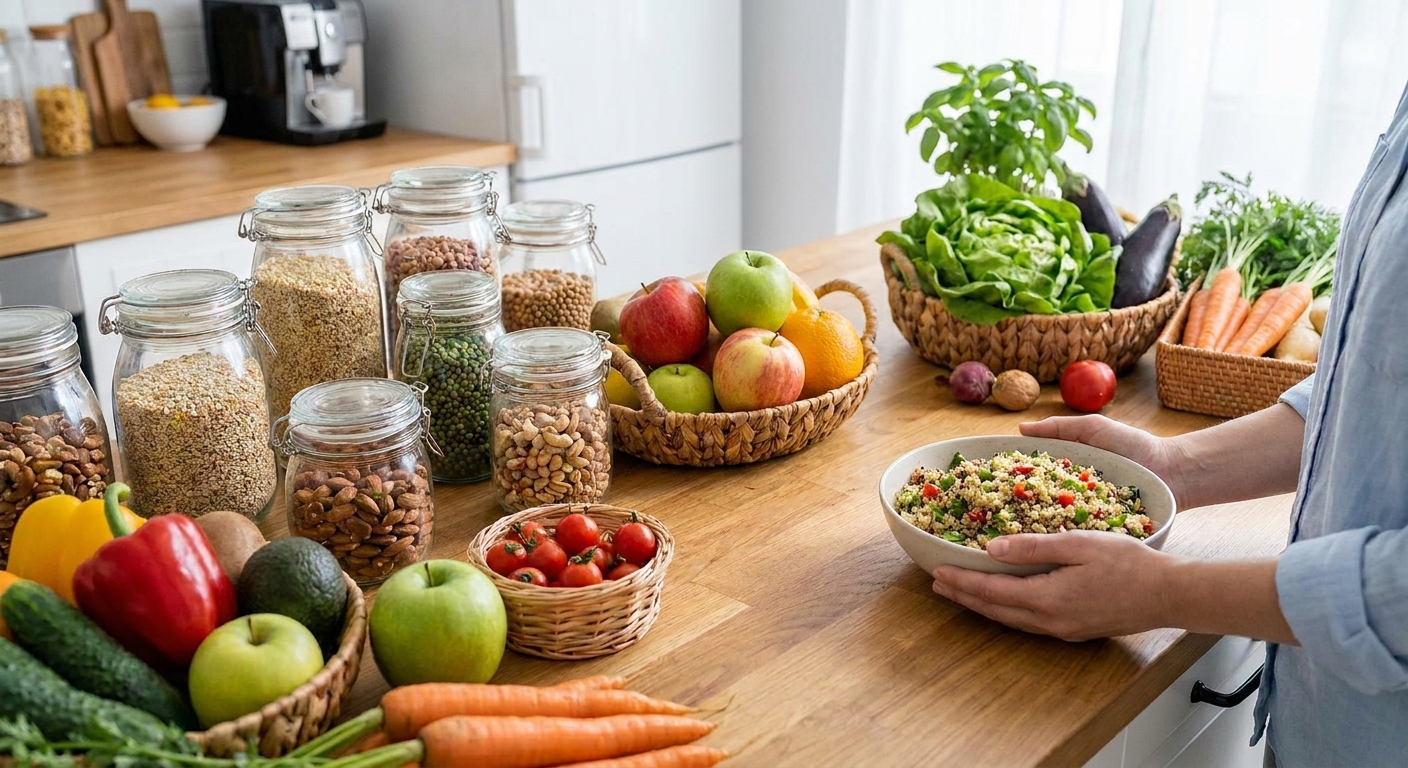
Everything exhausting about nutrition research — we handle it.
We curate and vet the evidence
so you don't have to
Tens of thousands of peer-reviewed studies, plus the most reputable clinical guidelines from bodies like the AAP, WHO, and CDC — each scored for authority, funding independence, and bias before it reaches you. Not blogs, not influencers.
We keep up with the latest research
so your answers never go stale
New curated research lands in the library every week. Ask the same question next month and the answer reflects what the evidence says then — not a decade-old study that's been revised or retracted.
We balance the science
so you're not stuck with one source
Consensus aggregated across dozens of independent sources — where experts agree, where they disagree, and what it means for your real-world risk.
Test your knowledge
and actually remember what matters
Quizzes built from the same evidence, so what you've learned actually sticks.
Where the evidence comes from
Names you'd recognize
from a doctor's office.
Peer-reviewed journals
The most reputable guidelines
…and dozens more — every source conflict-of-interest checked, trust-scored, and the library refreshed weekly as new research is published.
What the latest
research says.
Fresh digests of newly curated research — from the same growing library that answers your questions.
When Normal Numbers Hide Real Risk
This week's research challenges some of medicine's most trusted defaults — from HbA1c readings distorted by altitude to salt restrictions that raise kidney injury risk in cirrhosis patients, and parathyroid levels that look fine on paper yet predict 66% higher cardiovascular mortality. Across aging, brain health, gut timing, and environmental contaminants, the findings share a common thread: context and precision matter far more than standard cutoffs suggest. Whether you're tracking grip strength, reading a blood panel, or deciding when to eat, the science this week makes a compelling case for looking past the 'normal' label.
Aging, Muscle & Bone Health
21pFocuses on the biological mechanisms of aging, sarcopenia, frailty, and strategies to preserve musculoskeletal health in older adults.
Brain, Mental Health & Cognitive Longevity
21pHighlights research on cognitive aging, neurodegenerative diseases, mental health, and how lifestyle and nutrition influence brain function.
Cardiometabolic Health & Weight Management
51pCovers studies on obesity, diabetes, cardiovascular disease risk factors, and metabolic syndrome, focusing on weight management and lipid metabolism.
Clinical Nutrition & Disease Management
64pDetails specialized nutritional interventions and clinical outcomes for patients with cancer, kidney disease, surgical complications, and critical illnesses.
Answers about the answers.
Where do AllNutrition's answers come from?
Every answer is built from a curated library of tens of thousands of peer-reviewed studies, plus the most reputable clinical guidelines from organizations like the WHO, CDC, and American Academy of Pediatrics. Each source is checked for conflicts of interest and given a trust score, and every answer cites the exact sources it used.
How up to date is the research?
Newly published research is curated into the library every week. That means answers improve over time — ask the same question a month from now and it reflects the newest evidence, not a stale snapshot.
What is an evidence panorama?
A panorama is a big-picture report that reads every relevant paper in the library on your question, weighs each by trust, and shows where the evidence points — from longevity habits to everyday risks — with every claim traceable to its sources. Because the library keeps growing, re-running a panorama later shows how the picture evolves.
Is AllNutrition free?
Yes. Asking questions, exploring the evidence behind every answer, and the research digest are all free.
Is this medical advice?
No. AllNutrition summarizes what published research and clinical guidelines say, with citations so you can verify everything yourself. For decisions about your health, talk with your clinician — and bring the sources with you.
Nutrition research, delivered.
Summaries · short videos · no spam. YouTube